60-Second Summary
This guide explains how to get your website referenced more often by AI models like ChatGPT, Gemini, and other AI search systems. Unlike traditional SEO—which focuses on keywords, backlinks, and technical factors—AI optimization prioritizes content quality, depth, clarity, and authority. AI models pull from high-value training data, so your goal is to create content that is accurate, comprehensive, and trusted across the web.
To rank better in AI responses, publish in-depth, authority-building content, structure it clearly with headings and questions, and focus heavily on answering real user queries. Build topical authority by covering a niche thoroughly and supporting your articles with internal links, credible sources, and expert insights. Optimizing for featured snippets also increases your chances of being referenced by AI.
Success requires consistent content updates, strong internal and external linking, and monitoring metrics like organic traffic, snippets, engagement, and brand mentions in AI tools. Avoid keyword stuffing, low-value content, and outdated information.
The future of AI search will emphasize real-time data, user intent, multimedia, and personalization. Websites that invest in high-quality, authoritative, regularly updated content will gain the strongest AI visibility.
Getting your website noticed by AI models like ChatGPT might seem complicated, but it doesn’t have to be. Understanding how to easily rank your website on ChatGPT and other AI models can give your business a huge advantage in today’s digital world. This step-by-step guide will show you exactly how to rank on ChatGPT and boost your AI visibility using practical strategies that work.
Understanding AI Search and Ranking
AI models work differently than traditional search engines. While Google looks at specific ranking factors like backlinks and page speed, AI models focus more on content quality, relevance, and how well information answers user questions.
When someone asks ChatGPT a question, it draws from its training data to provide the best possible answer. Your goal is to make sure your website’s content is so valuable and well-structured that AI models naturally reference it.
Key Differences Between Traditional SEO and AI Optimization
Traditional SEO focuses on:
- Keyword density and placement
- Technical website factors
- Backlink profiles
- Page loading speeds
AI optimization prioritizes:
- Content depth and accuracy
- Clear, direct answers to questions
- Authoritative information
- User-focused content structure
How AI Models Like ChatGPT Find Information
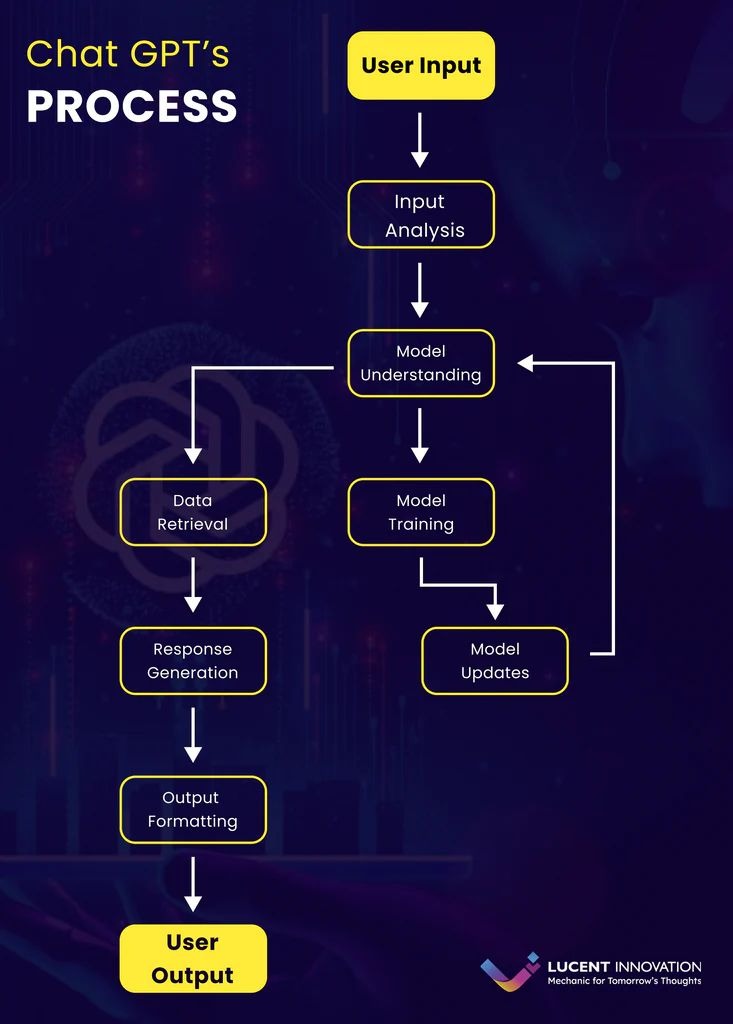
Before diving into tactics, it’s important to understand how AI models process and select information. AI models are trained on massive datasets that include web content, books, articles, and other text sources.
The training process means that high-quality, widely-referenced content has a better chance of being included in AI responses. This is why building authority and creating exceptional content is so important for AI visibility.
Training Data and Content Selection
AI models typically favor content that is:
- Factually accurate and well-researched
- Clearly written and easy to understand
- Comprehensive and detailed
- Frequently cited or referenced by other sources
- Recent and up-to-date (for newer models)
Example:
For instance, when someone asks ChatGPT about the benefits of SEO, it doesn’t “search” the internet in real time — instead, it draws from patterns in its training data, which includes trusted marketing blogs, digital marketing textbooks, and articles from authoritative sources like Moz or HubSpot. So, if your business consistently publishes accurate and insightful SEO guides, those ideas are more likely to be reflected in AI-generated responses.
6 Smart Tactics to Rank Your Website on ChatGPT
1. Create Comprehensive, Authority-Building Content
The foundation of ranking in AI results is creating content that establishes your website as an authority in your field. AI models favor comprehensive resources that thoroughly answer user questions.
Write in-depth articles that cover topics completely. Instead of writing a 500-word blog post about “email marketing tips,” create a 3,000-word comprehensive guide that covers everything from beginner basics to advanced strategies.
Action steps:
- Research your topic thoroughly before writing
- Include statistics, case studies, and examples
- Update your content regularly with new information
- Cite credible sources and link to authoritative websites
2. Structure Content for Easy AI Understanding
AI models process information better when it’s well-organized and clearly structured. Use headings, subheadings, bullet points, and numbered lists to break down complex information.
Think about how someone would naturally ask questions about your topic, then structure your content to answer those questions directly.
Best practices for content structure:
- Use descriptive headings that include your target keywords
- Start sections with clear topic sentences
- Break up long paragraphs into shorter, digestible chunks
- Use transition words to connect ideas smoothly
3. Focus on Question-Based Content Creation
Since people often interact with AI models by asking questions, creating content that directly answers common questions in your industry can significantly boost your AI visibility.
Research the questions your target audience asks most frequently. Tools like AnswerThePublic, Reddit, and industry forums can help you identify these questions.
Question-focused content strategies:
- Create FAQ pages that thoroughly answer customer questions
- Write “how-to” guides that solve specific problems
- Develop troubleshooting content for common issues
- Address objections or concerns your audience might have
4. Build Topical Authority and Expertise
AI models tend to reference sources that demonstrate clear expertise in specific topics. Rather than writing about everything, focus on becoming the go-to resource for your specific niche.
Consistently publish high-quality content about related topics within your area of expertise. This helps establish your website as a comprehensive resource that AI models can trust and reference.
Ways to build topical authority:
- Create content clusters around main topics
- Link related articles together internally
- Publish consistently in your area of expertise
- Include author bios that highlight relevant credentials
5. Optimize for Featured Snippets and Direct Answers
Content that appears in Google’s featured snippets has a higher chance of being referenced by AI models. Structure your content to provide clear, direct answers to specific questions.
Write concise paragraph answers that directly address user questions, typically between 40-60 words for the main answer, followed by more detailed explanations.
Featured snippet optimization tips:
- Answer questions directly in the first paragraph
- Use numbered lists for process-oriented content
- Create comparison tables for product or service comparisons
- Include definition boxes for technical terms
6. Maintain Content Freshness and Accuracy
AI models, especially newer versions, place high value on current and accurate information. Regularly update your content to ensure it remains relevant and factually correct.
Set up a content maintenance schedule to review and update your most important pages. This is especially crucial for topics that change frequently, like technology, regulations, or industry best practices.
Steps to Rank Your Website on ChatGPT and Gemini AI
Step 1: Conduct Comprehensive Keyword and Topic Research
Start by identifying the topics and questions your target audience cares about most. Use a combination of traditional keyword research tools and AI-specific research methods.
Research methods:
- Analyze competitor content that ranks well
- Study social media discussions in your industry
- Review customer service inquiries and support tickets
- Use tools like Ahrefs, SEMrush, or Google Keyword Planner
Step 2: Create Your Content Strategy
Develop a content strategy that focuses on building comprehensive resources rather than targeting individual keywords. Plan content clusters around main topics that demonstrate your expertise.
Content planning considerations:
- Identify your core expertise areas
- Map out related subtopics for each main area
- Plan content that builds on previous articles
- Create a publishing schedule you can maintain consistently
Step 3: Write and Optimize Your Content
When creating content, focus on providing genuine value rather than trying to game the system. Write for your human audience first, then optimize for AI understanding.
Content creation best practices:
- Start with a clear outline before writing
- Use natural language and avoid keyword stuffing
- Include relevant examples and case studies
- Add visual elements like images, charts, or infographics
Step 4: Build Internal and External Link Structures
Create a strong internal linking strategy that helps AI models understand the relationship between your different pieces of content. Also focus on earning quality external links from reputable sources.
Link building strategies:
- Link to related articles within your own content
- Reach out to other websites for guest posting opportunities
- Create linkable assets like research studies or tools
- Participate in industry discussions and forums
Step 5: Monitor and Measure Results
Track how well your content performs in AI-generated responses. While this is still an emerging field, you can monitor several indicators of success.
Metrics to track:
- Organic search traffic increases
- Featured snippet appearances
- Brand mentions in AI responses (when you can identify them)
- User engagement metrics like time on page and bounce rate
How to Appear in ChatGPT Results
Getting your content referenced by ChatGPT requires a focus on creating content that meets the model’s criteria for quality and relevance. While you can’t directly control when ChatGPT mentions your website, you can increase the likelihood through strategic content creation.
Content Quality Factors
ChatGPT and similar models tend to reference content that demonstrates:
- Clear expertise and authority
- Factual accuracy and reliability
- Comprehensive coverage of topics
- Clear, easy-to-understand explanations
Building Recognition and Authority
The more your content is recognized as authoritative within your industry, the more likely it is to be included in AI training data and responses.
Authority-building strategies:
- Publish original research or studies
- Get quoted or mentioned by industry publications
- Speak at conferences or industry events
- Collaborate with other recognized experts
Example:
A digital marketing agency that regularly publishes in-depth SEO research reports, contributes guest posts to top marketing websites, and is cited by recognized sources like Search Engine Journal or HubSpot builds strong authority signals. Over time, this consistent visibility and credibility make it more likely that AI models like ChatGPT will reference insights or patterns similar to those found in that agency’s content.
Optimizing for Different AI Platforms
Different AI models may have varying preferences for content types and structures. While the core principles remain similar, consider the specific characteristics of major AI platforms.
ChatGPT Optimization
ChatGPT tends to favor:
- Conversational, natural language
- Comprehensive explanations
- Step-by-step processes
- Clear examples and analogies
Google Bard and Gemini AI Optimization
Google’s AI models may place additional emphasis on:
- Content that aligns with Google’s E-A-T guidelines
- Recent, up-to-date information
- Content from established, trustworthy websites
- Integration with Google’s existing search results
Other AI Platform Considerations
As new AI models emerge, stay informed about their specific characteristics and preferences. The fundamental principle of creating high-quality, authoritative content remains consistent across platforms.
Measuring Your AI Visibility Success
Tracking your success in AI visibility requires a combination of traditional SEO metrics and newer indicators specific to AI platforms.
Traditional Metrics That Still Matter
- Organic search traffic growth
- Keyword ranking improvements
- Featured snippet appearances
- Click-through rates from search results
New AI-Specific Indicators
- Brand mention tracking across various AI responses
- Direct traffic increases (people finding you through AI recommendations)
- Engagement metrics showing deeper content consumption
- Authority mentions in industry discussions
Tools and Methods for Tracking
While dedicated AI visibility tracking tools are still developing, you can use existing tools creatively:
- Set up Google Alerts for your brand and key topics
- Monitor social media for AI-generated content mentions
- Track referral traffic from new sources
- Use traditional SEO tools to monitor overall visibility improvements
Common Mistakes to Avoid
Over-Optimizing for Keywords
AI models are sophisticated enough to recognize and potentially penalize obvious keyword stuffing or manipulation. Focus on natural language and genuine value creation.
Ignoring Content Quality for Quantity
Publishing lots of low-quality content won’t help your AI visibility. It’s better to create fewer pieces of exceptional content than many mediocre articles.
Neglecting Content Updates
Outdated information can hurt your credibility with AI models. Regularly review and update your content to maintain accuracy and relevance.
Copying Competitor Strategies Without Understanding
What works for one website might not work for another. Understand the principles behind successful strategies rather than copying tactics blindly.
Example:
A health blog that publishes dozens of keyword-stuffed articles like “best healthy diet plan for weight loss fast” may find that AI models ignore its content entirely. However, another blog that publishes fewer but well-researched, updated, and clearly written articles — with sources, data, and expert opinions — is far more likely to be referenced or reflected in ChatGPT responses.
Future of AI Search Optimization
The field of AI search optimization is rapidly evolving. Stay informed about new developments and be prepared to adapt your strategies as AI models become more sophisticated.
Emerging Trends to Watch
- Increased emphasis on real-time information
- Better understanding of user intent and context
- Integration of multimedia content (images, videos, audio)
- Personalization based on user preferences and history
Preparing for Changes
Build your optimization strategy on solid fundamentals that are likely to remain important regardless of specific AI model changes:
- Focus on creating genuinely valuable content
- Build real authority and expertise in your field
- Maintain high standards for accuracy and reliability
- Stay connected with your audience’s needs and questions
Call to Action: Start implementing these strategies today by identifying your top three content opportunities. Choose topics where you can demonstrate clear expertise and begin creating comprehensive, well-structured content that serves your audience’s needs. Remember, learning how to rank on ChatGPT and other AI models is an ongoing process that rewards consistency and quality above quick fixes.
The key to success in AI optimization is patience and persistence. Focus on building genuine authority and creating exceptional content, and your AI visibility will improve over time. As these platforms continue to evolve, websites that have established strong foundations will be best positioned to maintain and grow their AI presence.